The clothes we wear daily, home textiles, and industrial materials are made from textile fibers. These fibers are the fundamental units of fabrics and are classified into two major families: natural and chemical.
Classification of Textile Fibers
1. Natural Fibers
These are obtained directly from nature and can be of animal, vegetable, or mineral origin.
ANIMAL ORIGIN
Wool, Silk, Hair, Cashmere,
Mohair, Alpaca, Camel
These are extracted from the fur, cocoons, or secretions of certain animals.
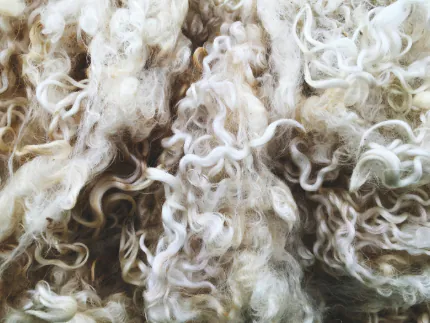
- Wool: Obtained from the shearing of sheep and rams. It is warm, elastic, and absorbent.
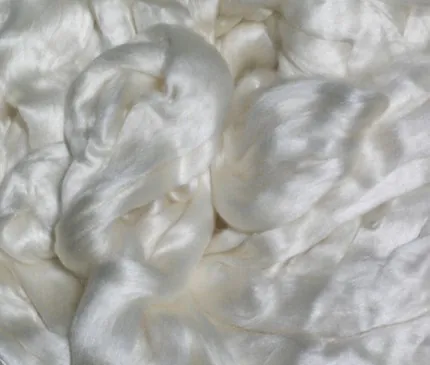
- Silk: Obtained from the silkworm (Bombyx mori). It is a fine, lustrous, and strong fiber.
- Cashmere: Comes from the Cashmere goat. It is lightweight, very soft, and warm.
- Mohair: Comes from the Angora goat. It is lustrous, silky, and resilient.
- Alpaca: Comes from the alpaca. It is warm, lightweight, and hypoallergenic.
- Camel: Obtained from camel hair. It is warm and durable.
VEGETABLE ORIGIN
Cotton, Linen, Jute,
Esparto, Hemp
These are obtained from the seeds, stems, leaves, or fruits of plants.
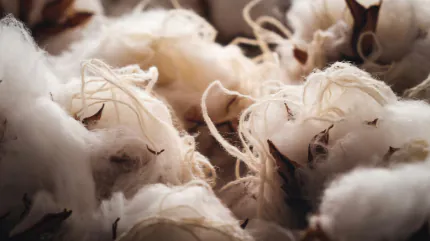
- Cotton: Comes from the seeds of the Gossypium genus. It is soft, strong, and absorbent.
- Linen: Obtained from the stem of the Linum usitatissimum plant. It is durable, cool, and of high quality.
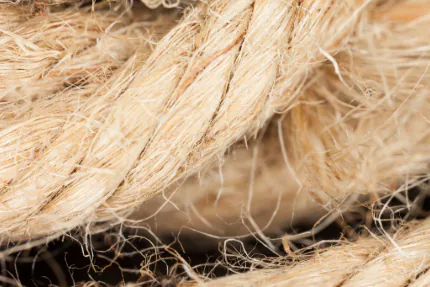
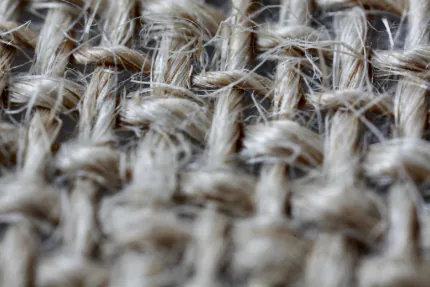
- Jute: Extracted from the stem of the jute plant. It is coarse, strong, and low-cost.
- Hemp: Obtained from the stem of the Cannabis sativa plant. It is very strong and sustainable.
- Esparto: Extracted from the leaves of the esparto plant. It is used in rugs and twine.
MINERAL ORIGIN
Glass,
Metallic fibers
These are derived from natural inorganic materials.
- Fiberglass: Obtained from molten glass. It is fire and heat resistant.
- Silica fiber: Withstands temperatures up to 1,000°C. It is used in flame-retardant fabrics.
2. Chemical Fibers
These are produced through industrial processes and can be of two types: artificial or synthetic.
ARTIFICIAL FIBERS
Viscose, Lyocell, Alginate,
Cellulose acetate
These are obtained by transforming wood cellulose.
- Viscose Rayon: Comes from wood cellulose. It is soft and lustrous.
- Modal: Similar to viscose, but stronger and more elastic.
- Lyocell: Eco-friendly fibers derived from cellulose. They are strong and biodegradable.
- Mohair: Comes from the Angora goat. It is lustrous, silky, and resilient.
- Cellulose acetate: Obtained from cellulose treated with acetic acid. It is lustrous and lightweight.
- Alginates: Derived from seaweed, used in medical textiles.
SYNTHETIC FIBERS
Polyester, Polyamide,
Carbon fiber, Acrylics, Elastomers
These are produced from petroleum derivatives through chemical synthesis processes.
- Polyester: Characterized by its strength, quick drying, and low water absorption.
- Polyamide (Nylon): Strong, elastic, and abrasion-resistant.
- Acrylic: Resembles wool and is warm, lightweight, and durable.
- Elastane (Spandex, Lycra): Has great elasticity and is used in sportswear.
- Carbon fiber: Extremely strong and lightweight. It is used in technical fabrics.
- Aramids (Kevlar, Nomex): Flame-retardant and heat-resistant fibers. They are used in safety clothing.
Fundamental Properties of Textile Fibers
Every fiber, whether natural or chemical, possesses characteristics that influence its performance and the quality of the final product. The main ones are:
- Abrasion resistance: The ability to withstand wear caused by friction.
- Pilling: The tendency to form small balls or knots on the fabric surface.
- Luster: The intensity with which it reflects light, depending on the fiber structure.
- Elasticity: The ease with which it recovers its shape after being stretched.
- Water absorption: Influences the comfort of the garment; higher absorption leads to greater comfort.
- Light fastness: Effects of sun exposure, such as yellowing or loss of strength.
- Fineness and length: These determine the softness and strength of the fabric.
- Color: Affects the capacity for dyeing, printing, and bleaching.
Depending on their origin, fibers have particular characteristics that determine their various uses.
Natural fibers:
Cotton
This is the most important natural fiber and is obtained from the seeds of plants in the Gossypium genus. Its fibers vary in length, maturity, and finess. To improve its appearance and functionality, cotton can undergo mercerization, a treatment with caustic soda that provides greater luster, absorption, and strength.
- Use: Used in clothing, bedding, and industrial textiles.
- Fire behavior: Burns easily, but can receive flame-retardant treatments to delay ignition.

Jute
Extracted from the stems of the jute plant, reaching up to three meters in height. It is the second most used vegetable fiber after cotton and shares many of its properties.
- Use: Used in sacks, ropes, packaging, and decoration.
- Drawback: Its natural brown color limits dyeing to dark colors.
Linen
Obtained from plants of the Linaceae family. Although less commonly used due to its high production cost, it is valued for its strength and coolness.
- Use: Manufacture of lightweight garments and home textiles.
- Drawback: It wrinkles easily, so it is often blended with synthetic fibers to improve maintenance.
Wool
Obtained from the shearing of sheep and rams. Its main characteristic is its excellent thermal insulation capacity, making it ideal for winter clothing.
- Use: Coats, sweaters, and high-quality textiles.
- Drawback: It tends to shrink (felting), so it requires specific treatments to prevent this.
Silk
Comes from the silkworm (Bombyx mori), which produces a continuous fiber called fibroin. Its luster and softness make it highly valued in the textile industry.
- Use: Elegant clothing, tapestries, and luxury textiles.
- Drawback: Fine fiber (10-20 microns) with a characteristic luster.
Mineral Fibers:
FIBERGLASS
Obtained from the fusion of glass and stands out for its heat resistance.
SILICA FIBER
Can withstand temperatures up to 1,000°C.
Artificial Fibers:
Viscose Rayon
Similar to viscose, but stronger and of better quality.
Modal
Can withstand temperatures up to 1,000°C.
Alginates
Derived from seaweed, these are used in medical textiles.
Synthetic fibers:
Polyester
Comes from petroleum and is characterized by low moisture absorption and high strength.
Polyamide (Nylon)
Strong, elastic, and abrasion-resistant.
Acrylic
Resembles wool and is warm, lightweight, and durable.
Elastane
Obtained by modifying polyesters to create elastic yarns, used in sportswear, swimwear, and orthopedic fabrics.
Carbon fiber
Extremely strong and lightweight. It is used in technical fabrics.
Aramids (Kevlar, Nomex)
Flame-retardant and heat-resistant fibers. They are used in safety clothing.
Identification of fibers based on flame behavior:
Cellulosic fibers
(cotton, linen, rayon)
Burn with a bright flame and smell like burning paper.
Protein fibers
(wool, silk)
Self-extinguishing and emit an odor similar to burning horn.
Synthetic fibers
(polyester, polyamide)
Melt to form a hard bead and smell like burning plastic.
Common Textile Fiber Abbreviations:
Abbreviation
AR
AS
CA
CO
CV
EA
GL
JU
LI
PA
PE
Fiber
Aramid
Antistatic fiber
Acetate, Acetate Rayon
Cotton
Viscose, Viscose Rayon
Elastane
Fiberglass
Jute
Linen
Polyamide, Nylon
Polyethylene
Abbreviation
PES
PP
PU
PVC
RA
RES
SE
SI
SIL
SILCN
WO
Fiber
Polyester
Polypropylene
Polyurethane
Polyvinyl Chloride
Ramie
Acrylic resin
Silk
Sisal
Silica
Silicone
Wool